
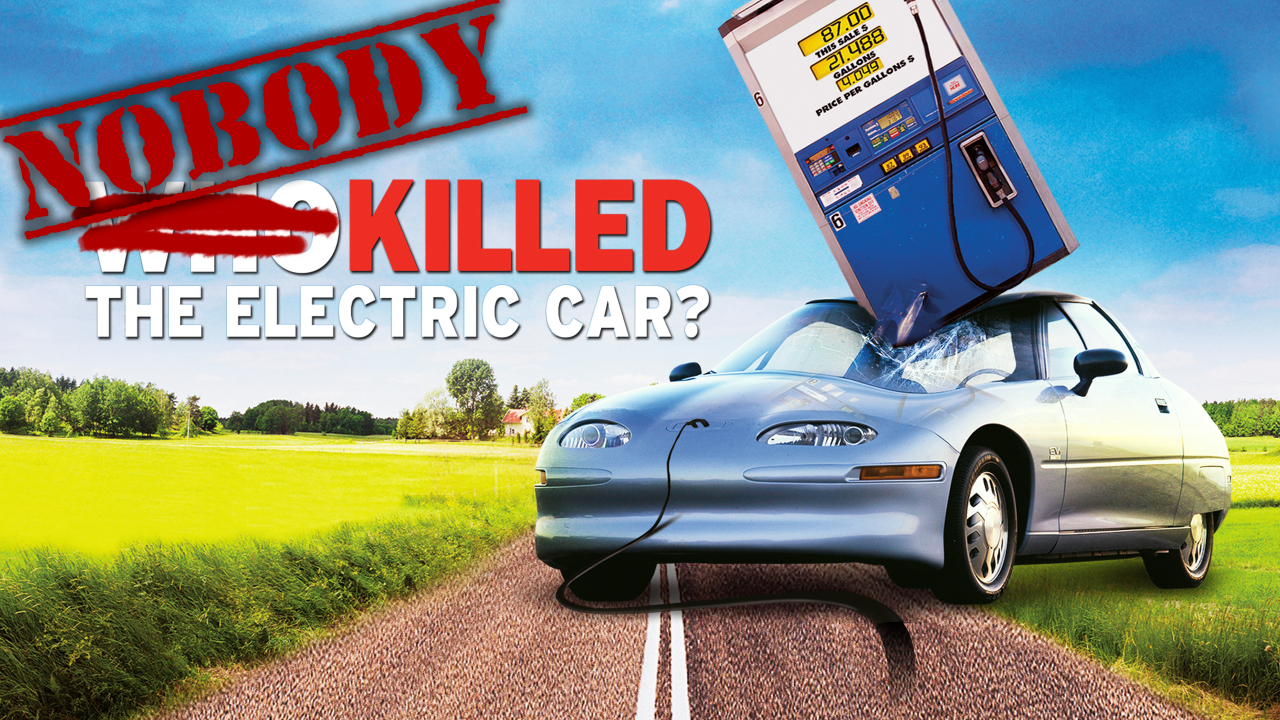
Nobody Killed the Electric Car
In 2006, Chris Paine released the documentary “Who Killed the Electric Car”. It argues that General Motors deliberately sabotaged its own electric vehicle, the EV1, under pressure from oil companies and entrenched corporate interests.
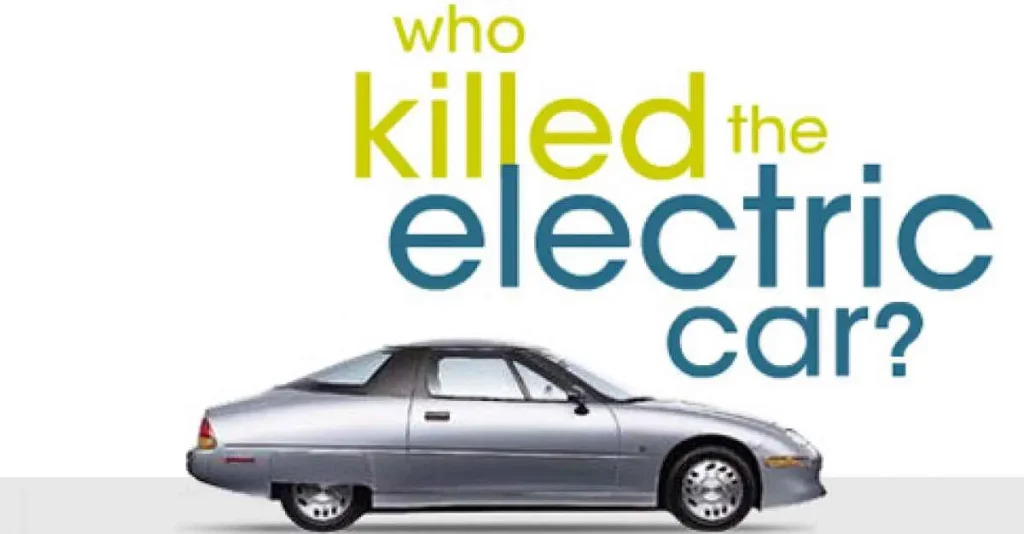
I watched it young. Probably twelve years old, growing up in the middle of the War on Terror, already aware that oil shaped American politics in uncomfortable ways. The documentary felt explosive at the time. Convincing. It planted the idea that a revolutionary technology had been murdered before it could change the world.
And for years, I believed it.
But the problem with so many of the “gotcha”-type documentaries is that they tend to be, well, biased. They ignore facts, history, reality, to paint a picture that suits the narrative the writer is already convinced of.
Believe me. I know. I make documentaries.
And it’s not evil, inherently. It’s meant to evoke action, change, connect with people’s emotions. Get them riled up and calling for change. But there’s care that has to be taken to avoid being dishonest.
So to tell this story, the most accurate and truthful version of it, we have to go way back to the beginning of automotive emissions regulations.
The CARB EV Mandate
Back in 1967, in response to increasing environmental concerns, the US government amended 1963’s Clean Air Act with the Air Quality Act of 1967. The Air Quality Act authorized California, and only California, to set its own vehicle emission standards. Anyone who knows about the smog and acid rain problems in LA understands. It also permitted other states to opt in to California’s set standards. Then-California-governor Ronald Reagan followed up by signing the Mulford-Carrell Act and incorporating the California Air Resource Board, or CARB.

If you follow other automotive YouTubers, you probably know CARB as the reason cars don’t come with massive V8 engines anymore. Or why the hood of every pickup truck is now eleven feet off the ground. But in the early nineties, it was a different world entirely.
1990 was a big year for two reasons.
First
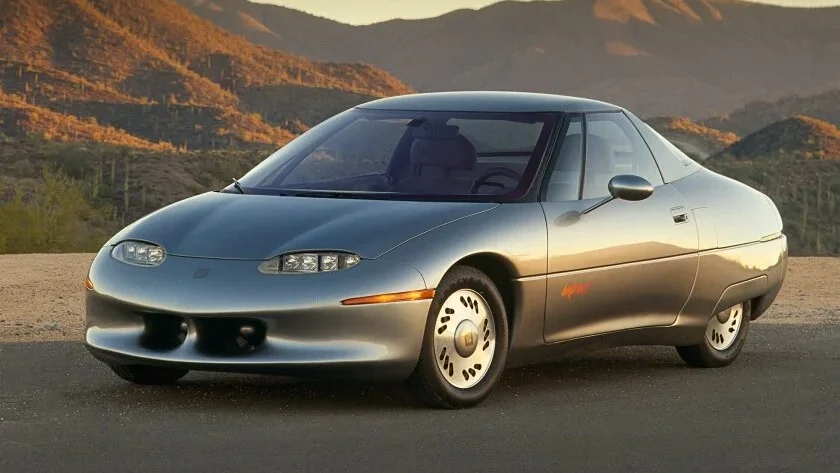
GM unveiled a concept car: the two-seat all-electric GM Impact. At the time, they partnered with a company called AeroVironment to develop the Impact, and were committed to it being an actual production vehicle targeting about 25,000 units a year. The Impact was, realistically, the prototype to the EV1, but I’m getting ahead of myself.
Second
CARB announced a plan to require the seven largest automakers — GM, Ford, Chrysler, Toyota, Honda, Nissan, and Mazda — to have 2% of their fleets be zero-emission vehicles by 1998, 5% by 2001, and 10% by 2003. The idea was to ramp production, slowly, to allow for technology and demand to grow. And GM had the jump.
By 1994, GM had the Impact ready, albeit only a couple dozen handbuilt units. They were EXPENSIVE. Tooling for gasoline cars wasn’t compatible with the new layout of components, and required entirely new production lines to be built. There was no way to reassign capacity on existing factory lines. They set up a program for prospective buyers to try them out, almost like extended test drives, and review them from a vantage point of daily use.
And truly, consumers loved them. Reviewers gave glowing reviews, and it looked like a hit.
But like I said, the Impact was expensive. A car that only traveled a hundred or so miles on an overnight charge, that needed to be built by hand, was reviewing great among people in the middle class. Sure. But it wasn’t attractive to those who could afford the million-dollar price tag to make it break even. So at the end of the preview window, GM lobbied CARB to drop the regulation, and setting a theme here, almost all of the fifty GM Impacts built were crushed.
Just Test Mules
See, these cars weren’t production cars. They were never sold, they were never owned by anyone but GM. They were prototypes. Selling them wasn’t possible; they weren’t given proper VINs, they weren’t certified for sale. They were, quite simply, test mules.
Every new generation of every model of car gets dozens of test mules built, sent away for reviews, crash testing, press, fuel economy testing. And when they’re done, because they’re all prototypes, not guaranteed to be the same as the final car because tweaks are being made to the parts, to the assembly standards, they are destroyed. The Impact only existed as a prototype.
And it failed. There wasn’t a market of people looking to pay a million dollars for a quirky commuter. The people that got to test the car had other vehicles. It wasn’t their daily driver. It was a glorified golf cart for runs to the store.
But GM didn’t give up. There was still a mandate, just a few years out. GM’s lobbying didn’t succeed, in large part because of Toyota, but again, ahead of myself. In 1996, they took a lot of the lessons and tooling from the Impact and made a new car, this time a proper production-ready vehicle, and released the EV1.
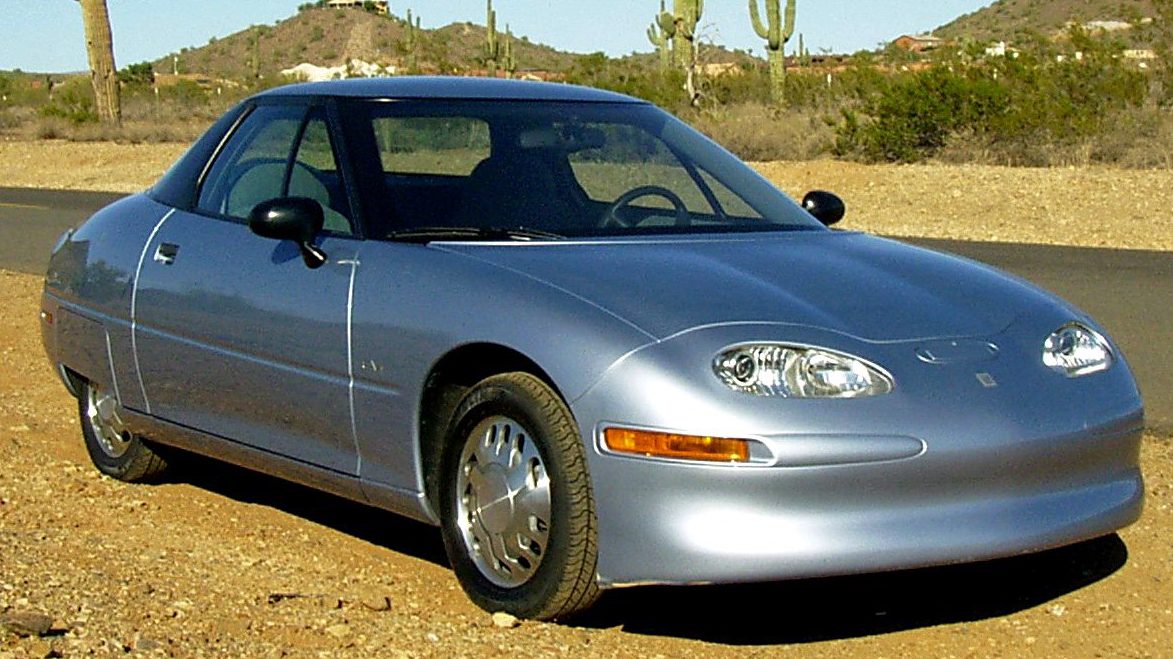
Lead-acid batteries were placed in a T-shaped channel within the cabin of the vehicle, giving about 70 miles of range from an eight-hour charge. The cars had constant battery failures in cold climates, so GM only marketed the car in the south and southwest. They were only available for lease, not purchase, and once again, the cost of the car was far beyond marketable.
The only way for GM to make these cars make sense was to, well, lose money.
Burning Cash
The total program cost for the EV1 was about 500 million dollars. Over 1117 cars produced, that’s about $400,000 a car. Labor and materials ran between 80 and 100 thousand a car, and that’s in 1990s money. GM provided leases to reflect a sticker price of about 35 thousand, at a time when a Camry topped out at 23 grand. Even at that price, they were still exorbitantly expensive cars, while having just two seats, limited range, and batteries that lasted a couple of years at best.
Partway through production, a company GM had heavily invested in had made a breakthrough with relatively-high-capacity nickel metal hydride (NiMH) batteries, which will kick off the next chapter of the story here in a few minutes. They were stable at lower temperatures, charged faster than lead acid batteries, were much more energy dense, and overall allowed for about a 150 mile range per charge for the EV1. Cars late in the production run received the new packs, and customers were happy. The new packs were also brand new technology manufactured at scale for the first time at such high cost that the per-unit cost of an EV1 climbed from 80 thousand to closer to 150. Still, GM maintained these cars as only available to lease, taking massive losses on every unit.
Meanwhile, CARB had finally killed the plan to require zero-emission cars. Most of the manufacturers weren’t succeeding at making vehicles that met the mark anywhere close to the deadline, and from the data GM had pulled on their experiments so far, it was evident that the technology couldn’t just be brute-forced in time.
So without a mandate to bring these cars to market, and hemorrhaging money on every unit, General Motors discontinued the production of the EV1 in 1999.
Follow the Money
Now, we have to talk about the Magnussen-Moss Warranty Act. Passed in 1975, it became a framework where all products sold in the US had to be backed by certain standards of warranty and expectations to fulfill them. The industry most impacted was automotive. A car couldn’t just roll off the lot and die; the manufacturer was beholden to keeping it roadworthy through a certain reasonable timeframe. There’s flexibility there, but the only way to guarantee that warranty is to produce enough replacement parts to fulfill obligations.
Remember how the EV1 cost a hundred thousand in materials and labor?
Allowing lessees to purchase their cars opened GM to the liability of Magnussen-Moss. They would have to produce more batteries, motors, all of it, to sit in warehouses and dealerships without any idea what the actual parts need would be over a few years. Tens, if not hundreds, of thousands more per car, just to ensure they didn’t get fined.
Or, they could block lessees buying out the cars.
The contract never gave the option, never set a price.
So in a move really unpopular with lessees, GM recalled each unit after the leases ended. Most of the cars were simply crushed. Quite a few were decommissioned, their electronic components destroyed through various pathways, and donated to museums and universities.
They Treated Them like Test Mules
And that’s not weird. I know it feels weird, but it’s all down to liability at the end of the day.
The batteries? Nobody knew if they’d blow up in a decade. Nobody knew if they had catastrophic failure modes, because they were new. GM wasn’t going to put themselves in a Ford Pinto situation where these cars could just combust around their drivers. On top of that, leaving things like ECUs and control circuits intact risked competitors reverse engineering half a billion dollars worth of work.
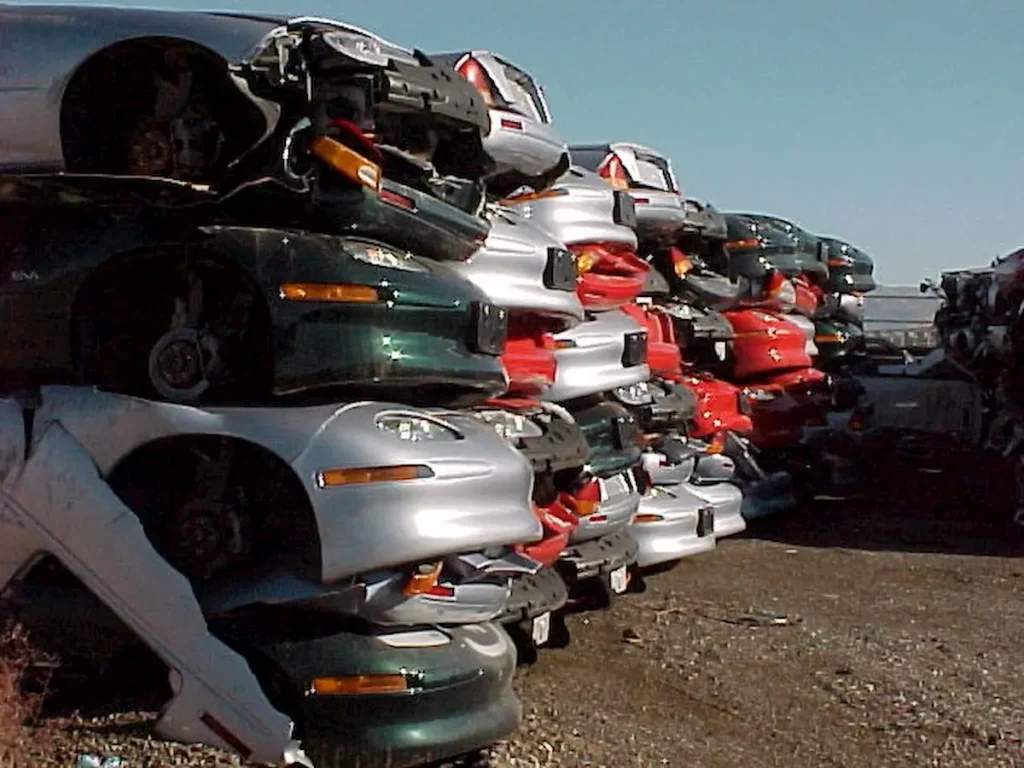
Destroying the cars is not abnormal now, and it wasn’t abnormal then. Especially not test mules.
So put yourself into the spot of messy capitalism for a minute. You’re GM, out the other side of a billion dollars in losses in your EV program (they had invested in other pathways beyond the EV1) and Texaco comes knocking at your door with an offer for your stake in the company that owns the rights to NiMH batteries. You need some amount of money back in your books, and your EV program is dead, so you take the offer in October 2000. And because you don’t own the batteries anymore, you don’t want to support replacement parts for the cars. You’re done losing money, and just want to stop the bleeding.
Who Killed the Electric Car ends here. A grand conspiracy around ripping a car away from consumers who don’t want to lose it, because an oil company bought rights to the battery just to make people use more gas again. Narratively satisfying, a clear bad guy.
Can’t Have Murder Without a Body
So remember when I said the next chapter focused on nickel metal hydride batteries?

GM wasn’t the only manufacturer who had launched an EV in the 1990s. Toyota, working with battery manufacturer Panasonic, launched two cars in 1997. We’ll talk about the other later, but for now, we’re focusing on the RAV4 EV. It was marketed in California as a lease-only electric vehicle, meant to comply with CARB’s mandate for zero-emission vehicles. 4 seats, 95 miles on a charge, and much cheaper because Panasonic had produced NiMH cells far cheaper than GM-owned Ovonics Battery.
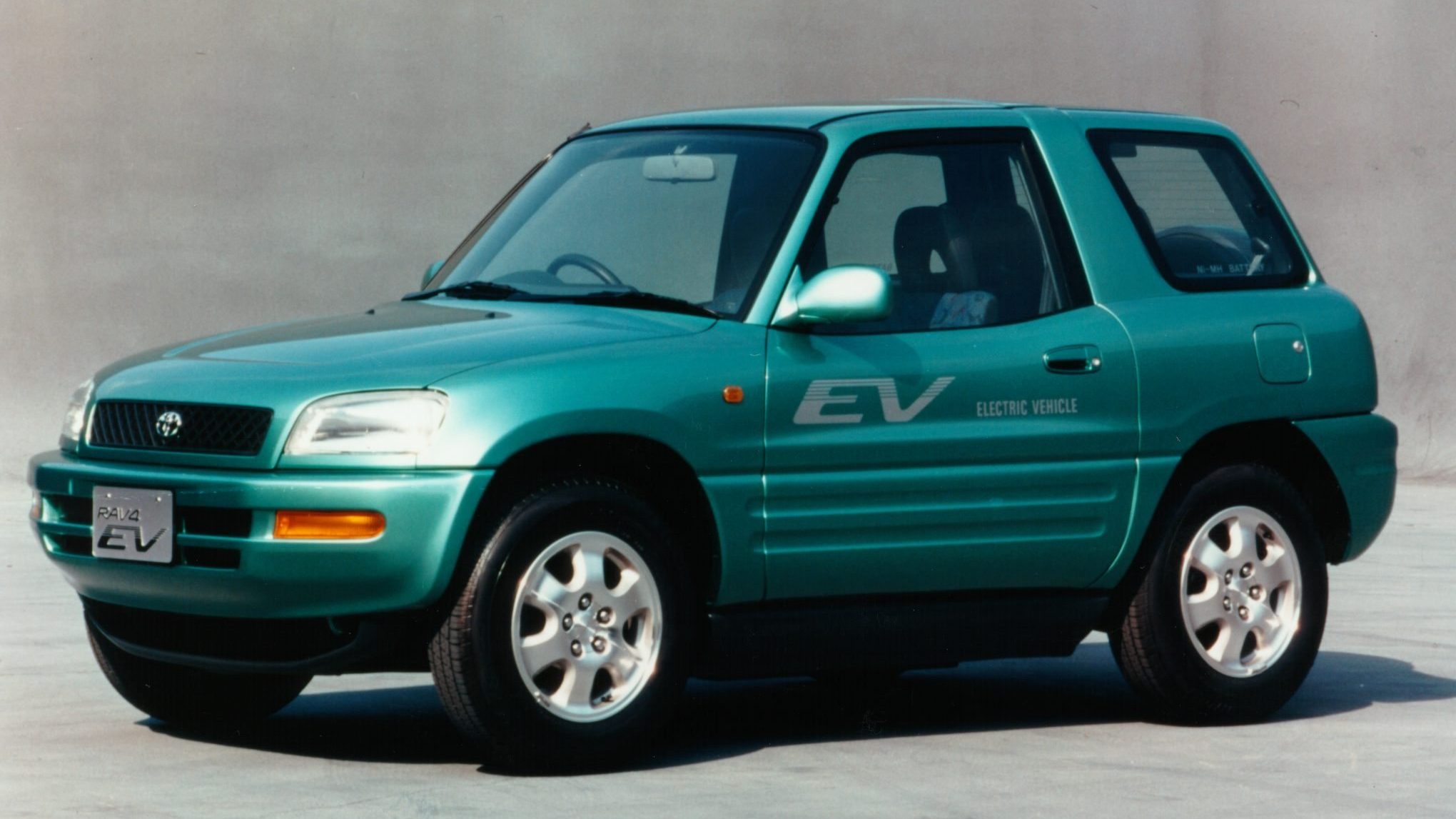
Problem was, Ovonics held the patents on modern NiMH batteries. GM never took action over it, because frankly, they were heavily-partnered with Toyota in a lot of joint ventures. But after GM sold Ovonics to Texaco in late 2000, Toyota was up the creek without a paddle.
In 2001, Ovonics sued Toyota and Panasonic for patent infringement. And it wasn’t baseless. Ovonics had patented certain chemistries, coatings, and construction methods, as well as systems for battery management. All of these were done for production of the EV1. Toyota and Panasonic just, made those batteries. No licensing agreement, no joint investment. Consumer NiMH batteries had only existed since 1989. The final hurdles to commercial success were invented and patented by none other than Ovonics. The reason GM bought them in the first place was the patent access. And the most important of the infringed patents was really simple: NiMH batteries as the energy storage for electric vehicles.
The suit was settled a few years later, an obvious open-and-closed case.
So if Texaco killed the electric car, that means that NiMH batteries went away, right?
Nope.
Toyota realized in the early nineties that the energy density of NiMH wasn’t where it needed to be. They were limited in recharge rates because at high currents, they’d heat up and degrade the cells. The packs also ran into direct capacity limits. A single kilowatt hour of NiMH batteries at the time, good for about three miles, weighed fifty pounds. 250 miles of range would be every bit of three thousand pounds. Add in the weight of, well, a car, and it became immediately evident that for the vast majority of drivers, even in urban areas, they could never make a viable EV using NiMH batteries.
But they found a different way to use the batteries.
Evolution to Revolution
The difficult thing in writing is making complex ideas easier to digest. Technical jargon and engineering isn’t sexy. So I’ll try and make this quick and simple.
An electric motor works by sending electricity through copper wire, wound like a donut on the part called the stator. Inside of the donut is the rotor, which has a magnet. When electricity flows through the stator wire, it makes a spinning magnetic field, which spins the magnet.
A generator works by rotating a magnet, the rotor, in the middle of a stator made of bundled wire. When the magnet spins, it creates a rotating magnetic field in the wire, which comes out the ends of the wire as an electric current.
If you’re following along, a motor and a generator are the same thing. Rotational motion becomes electricity; electricity becomes rotation.
Imagine
You’re driving your regular gas car down a hill. Your gas engine is running, because it always has to be running. Your car is entirely being propelled by gravity, but you’re using gasoline just by nature of it being on. You’re losing free kinetic energy by turning it into heat with your brake pads.
So what a generator was put in your drivetrain to capture that energy and funnel it to a large battery? You’d be able to store the electricity for use later, and save your brake pads. And since you already have a generator on the drivetrain, why not just give it energy from the battery when you need more speed or to go up a hill, until the battery is empty and then switch to the engine? Plus, you can power things like the AC or your brakes from the big battery instead of the engine, meaning you can turn the engine all the way off when it’s not being used.
But this brings up its own problems. Starting and stopping the engine that much isn’t good on the starter, and the starter is kinda slow. So replace the starter with a larger electric motor that can pull energy from the bigger battery and start the engine. Except, well, why do you have an alternator? That’s just another generator strapped onto the gas engine. And if you already put a big motor on to replace the starter, then you can just use that motor as an alternator, right?
Huh.
Well, can you go one step further? Use that motor-generator to charge the big battery from the gas engine. And use the other motor-generator to provide power to the wheels. And if you’re smart about it, you can just use the gas engine to run its generator in the range of RPMs that it’s most efficient in.
That’s the premise behind a hybrid vehicle. Locomotives and ocean liners use really similar methods of propulsion, because electric motors provide linear torque to their power output. Gas engines can’t produce steady torque over their whole operating range, so transmissions are used to modify the torque and power balance.
Toyota, through their development of the RAV4 EV, made a lot of progress toward regenerative braking and the use of AC motor-generators. And since they’d adopted NiMH batteries right off the bat, they tried something crazy.
The Real Deal
Starting from a small sedan, they incorporated a 1 kWh NiMH battery pack behind the rear seat. The classic transmission was ditched in favor of a single-speed planetary gearset as a power split device. They named the small alternator starter replacement motor MG1, the propulsion motor MG2, and put in a small 4-cylinder engine tuned to be really efficient in a very tight power band.
MG1 was fed to the sun gear, which was tied to the planetary gears connected to the engine. Surrounding the planetary was the sun gear, connected to the larger MG2, as well as to the wheels. Either MG2 or the brakes could hold the ring gear still, resulting in all power produced by the engine feeding MG1 or allowing MG1 to start the engine. When driving, power would feed from MG2 to the wheels directly and MG1 would spin opposite, leaving the planetary gears on the gas engine stationary. If charge was running low or electricity was in constant need, the engine could turn MG1 while MG2 was driving the wheels. And if even more power was needed, MG1 could lock stationary, allowing the engine and MG2 to combine their output to the wheels.
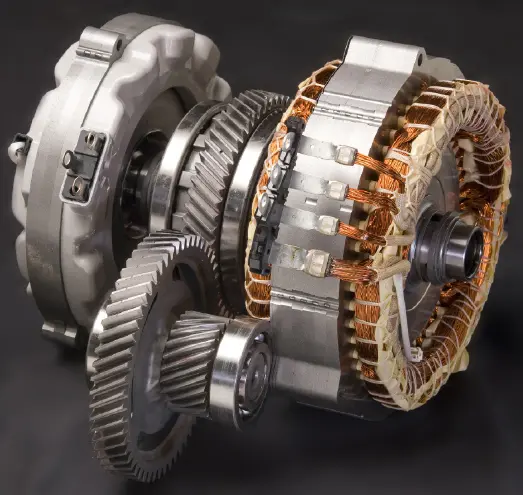
In October 1995, the first proof-of-concept for this “hybrid” vehicle was shown at the Tokyo Motor Show. The next year, testing began, and in December 1997, the first Toyota Prius rolled off the production line.
A Cultural Celebrity
There’s a weird trend in western society, wherein certain products are though of as status symbols. And not just in economic status, but as reflections of values.
Blackberries for stock brokers, iPhones for Valley Girls, Androids for tech bros. Eventually phones became phones, but in those early days, it said something about the owner.
2004 was a weird time in American history. Two wars ongoing in the Middle East, with oil prices shifting with the political winds. Arnold Schwarzenegger was governor of California, widely-known for driving a Hummer H1. If ever there was a vehicle to represent careless fuel consumption, there it is. And at red carpet events that year in LA, Cameron Diaz, Leonardo DiCaprio, Harrison Ford, and more showed up in these new quirky Toyota hybrid hatchbacks.

It wasn’t about saving money on gas; that was still cheap. It was about going “green”. Diaz and Gwyneth Paltrow spoke in interviews about how they loved their daily drivers. These were talking points; not just cars. And to every person advocating for “green”, there were two pushing back.
You had Hummers, sure. But you had Jeff Dunham taking the piss out of a blue Prius. You had Frank Caliendo making the Prius a flamboyantly gay Transformer in an animated skit on his sketch comedy show. The counterculture reaction was coal-rolling: spewing unburnt diesel from truck exhaust when passing “green” cars.
The cultural moment that made the cars known to the general public was the same one that made them hated.
An Oil Crisis
In March of 2004, analysts started flagging volatility in oil futures when gas hit a peak average of $1.78 a gallon. This was the highest it had ever been. And it wasn’t done climbing. January of 2005, it was $1.88 a gallon. By September that year, it would hit $2.95, and crest at $4.11 in June 2008 after a steady climb.
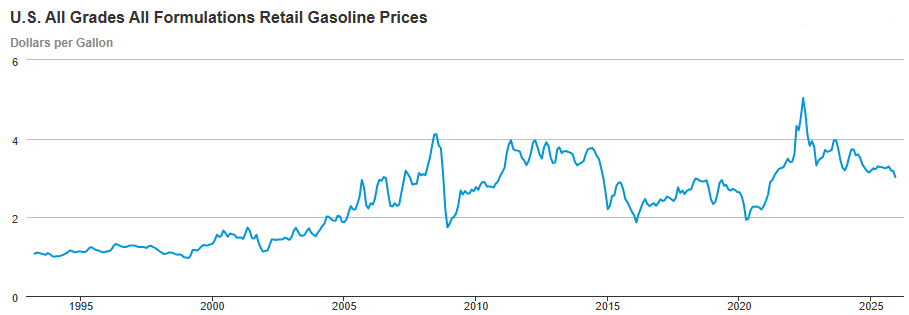
And it’s here that there was a turning point.
The two best-selling vehicles of 2004 were the Ford F-150, having its best year ever, and the Toyota Camry. And the environment wasn’t the “green” people were feeling. It was the green in their wallets.
Consumers will always choose savings.
The F-150, with its 27-gallon tank, could go 378 miles on a fill. The Camry’s 18.5-gallon tank took it 518 miles. And the newfangled Prius, getting an unheard-of 50 MPG in real-world use, went 595 on its 11.9-gallon tank.
What that reflected on most was the cost of travel. The average American drives 12,000 miles a year. At January 2004 prices, the Camry would spend $690 a year on gas, the F-150 $1,380, and the Prius $386. Between the “standard” family sedan and the truck, the worst cost offset was only about $600 a year. A thousand to the Prius. Not nearly enough to be concerned over.
But by mid-2005, with that big spike? The Ford was costing better than a thousand more on gas than the Camry, and almost $2,000 on the Prius. The gap to the Prius would widen to $2500 by June ’08.
So planning for fuel prices that continued to climb, sales on the F-150 fell, and never recovered to their pre-2004 levels. Prius sales grew rapidly, to nearly 200,000 units in 2007.
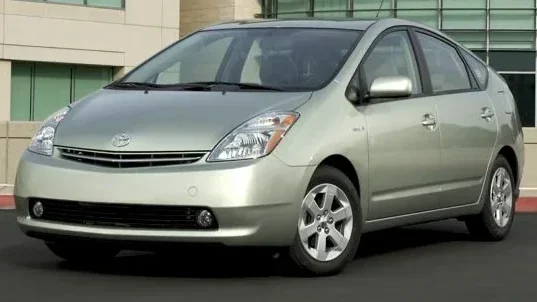
And really capturing that the value wasn’t in being “green” but in being economical, Prius sales began falling off from their peak beginning in 2008. When gas stopped being expensive, people stopped buying them.
The Revival of EVs
There’s an important side-effect of a million hybrids being sold in a decade, between a few manufacturers using the designs and engineering Toyota pioneered. They became unremarkable. Today, 20-plus years later, there are still hundreds of thousands of these early hybrids on the road. Fewer moving parts means fewer mechanical failures. Load being carried by electric motors without much friction means less wear on engines. They’re endlessly reliable, and people view them as such.
Which meant it was really easy for other companies to toy with the public, and give a little “but what if we took it further?”
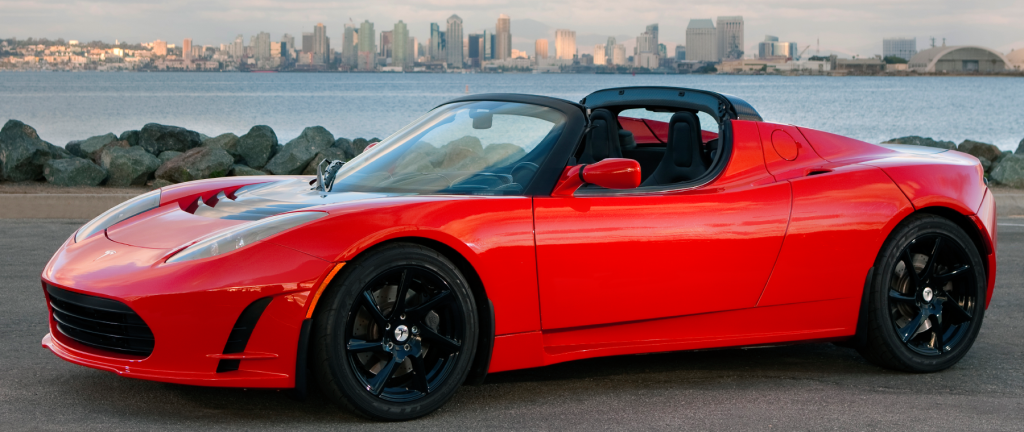
Tesla was the first notable name to get ahead of it, beginning development on the Roadster in 2004 and delivering vehicles starting in 2008. Mitsubishi had the iMiev on showroom floors in 2009, with the Nissan Leaf appearing the next year. One step at a time, EVS were getting more range, more comfort, more prestige, more trust.
But then, a familiar name entered the fray.
A Return to Form
General Motors felt that the range and charge time issues with EVs were going to be the biggest hindrances to adoption, and they were right. Even today, on 300+ mile EVs, charging makes a coast-to-coast trip take a full extra day. We’re past the point of range anxiety, but it’s still not a fit for every driver (albeit it would be fine for a majority at this point).
So in 2010, a new electric vehicle was released by General Motors after a decade hiatus. But it did it differently. The Chevy Volt looked a lot like a Prius, drove a lot like a Prius, and had a lot of the benefits of a Prius, but it wasn’t strictly a hybrid.
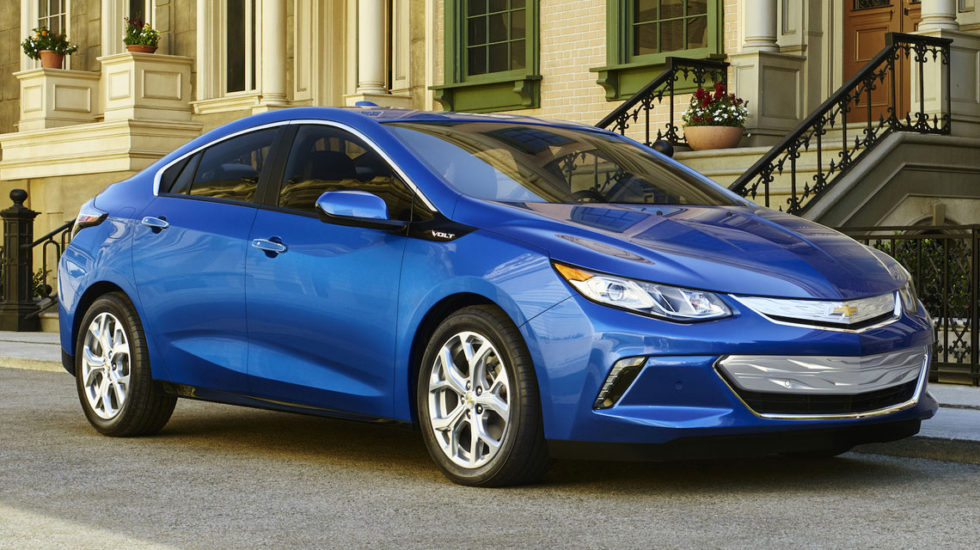
Instead, it was a proper electric vehicle: charged from a wall outlet or public charger, sufficient range for a daily commute, and all drive functions through a single electric motor. What made it different was using the front subframe to house a gas generator.
And generator is the right word to describe it. It’s not a “range extender” as BMW would later put in their early EVs. It produced enough electricity to keep the car running indefinitely. Optimally, the owner would only rarely have to tap into that generator, but for longer trips, it opened up that window.
With 157,000 Volts sold in the US (174,000 including Canada), it was far from a resounding success, but nowhere near a failure. The impact it had was popularizing plug-in hybrid electric vehicles (PHEVs), which spread through other manufacturers including Toyota, Mitsubishi, and Ford, all the way through the current day.
The Electric Car Didn’t Die
By the time the documentary dropped in 2006, GM was already developing its successor. A car better in every single way. More seating, more range, more cargo room, faster charging, and better performance in a package that was actually affordable.
It used newer batteries, because the innovation over the decade since the EV1 launch was incredible. It used existing production lines, because the smaller pack could be integrated as a component in factories that had already been modified for hybrid battery installs. Every issue the EV1 had, the Volt technically solved.
And that brings us to today.
There are more EV options then ever, and yet, they’re being impacted by the same problems that faced the Prius 15 years ago. Gas prices have been low for about four years now. Data centers being built means electricity rates have gone up. Companies are discontinuing EVs that were selling great even two years ago, because the market pressure to buy them isn’t there.
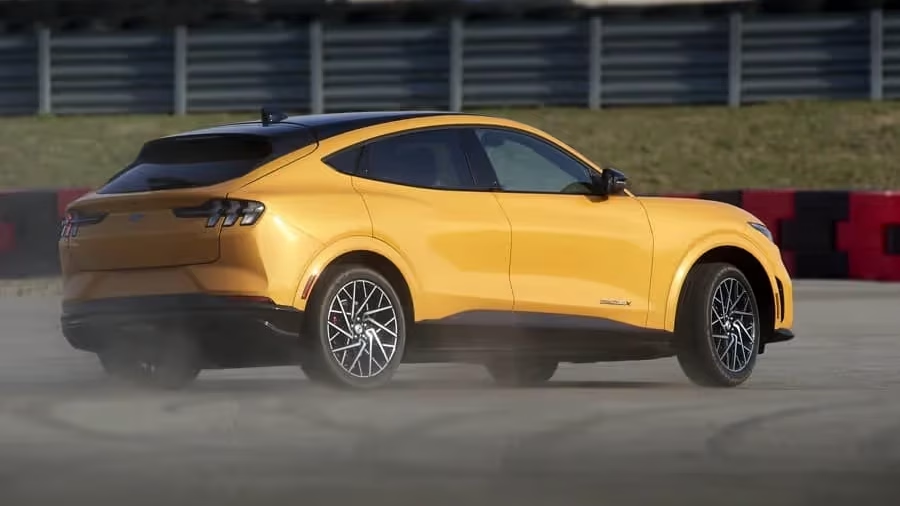
It’s not that people who own them don’t love them, but for the vast majority of people? They just need a car that gets them to and from work. And if the “green” option isn’t saving them money, between tax incentives or cheap electricity, then there’s not consumer demand for replacements.
My recent Sequoia Project replaced a 2020 Prius Prime PHEV that I loved. Gas isn’t, and hasn’t been, expensive enough for the fuel savings to be pocketable. And until that changes, the increased upfront cost of hybrids and EVs is going to continue being a barrier to entry.
What’s Next
A million pundits will look at the market now and declare the death of EVs, that the technology is dead in the water. But they said that twenty years ago, about the Prius. Today, you can’t buy a new Rav4 that isn’t a hybrid; it’s the best-selling passenger vehicle in the country. Next up is the CR-V, with more than 60% of units sold being specced as hybrids. Next is the hybrid-only Camry, followed by the all-electric Model Y.
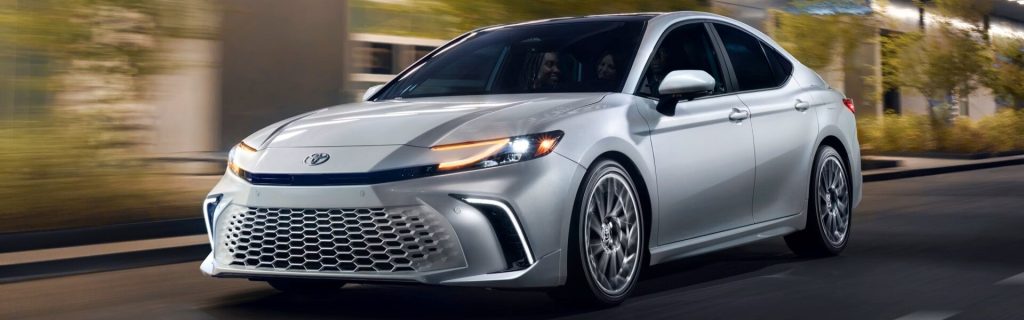
The hybrid-only Sienna is the best-selling minivan on the market, the hybrid Ford Maverick is backordered, and the sales numbers of EVs on the whole are increasing even if some stories like Tesla sales dropping read of market falter.
EVs are more popular than they’ve ever been, and hybrids are almost the default at this point.
What’s next is obvious: we keep moving forward.
Because nobody killed the electric car, and at this point, I don’t think anyone could.